
What Is Omnipaque 350 mg/mL Injection?
Omnipaque 350 mg/mL Injection contains iohexol, a water-soluble, non-ionic iodinated contrast agent. It is not a conventional medicine used to treat an infection or chronic disease. Instead, it is used by healthcare professionals during certain medical imaging procedures to make internal organs, blood vessels, and other body structures easier to see on diagnostic images.
Iohexol contains iodine, which interacts with X-rays and increases the visibility of structures being examined. This can help radiologists obtain clearer diagnostic images during procedures such as certain CT examinations and angiographic studies. Depending on the concentration and presentation, Omnipaque products may be used for several types of radiographic examinations. The precise indication depends on the product strength, imaging technique, patient’s age, clinical condition, and locally approved prescribing information.
Omnipaque is part of the low-osmolar, non-ionic iodinated contrast media group. GE HealthCare lists Omnipaque among its contrast-media products in India.
Because Omnipaque is a prescription contrast agent administered in a clinical setting, it should only be used by appropriately trained healthcare professionals according to the applicable prescribing information and imaging protocol.
Uses of Omnipaque 350 mg/mL Injection
Omnipaque is used to improve the visibility of anatomical structures during diagnostic imaging. Depending on the approved indication and concentration, iohexol may be used in procedures involving:
- CT and other X-ray-based imaging examinations
- Angiographic examinations of blood vessels
- Certain cardiovascular imaging procedures
- Imaging of selected organs and body structures
- Other radiographic examinations where an iodinated contrast medium is clinically appropriate
The FDA prescribing information describes Omnipaque as a radiographic contrast agent that may be used for intravenous, intra-arterial, intrathecal, oral, rectal, intra-articular, and body-cavity imaging procedures, with specific concentrations and presentations designated for particular procedures.
Importantly, not every Omnipaque concentration is appropriate for every procedure. The 350 mg iodine/mL concentration has specific approved uses, and the correct product must be selected by the healthcare team.
Benefits of Omnipaque
The principal benefit of iohexol contrast media is its ability to improve the visibility of structures on diagnostic X-ray-based imaging.
Potential clinical benefits include:
- Helps improve contrast between different tissues and structures
- Can assist radiologists in evaluating blood vessels and organs
- May help physicians obtain more diagnostically useful images
- Supports detailed assessment during selected CT and angiographic procedures
- Can contribute to the diagnosis and evaluation of various medical conditions
Omnipaque does not itself cure the condition being investigated. Its purpose is to enhance diagnostic imaging so that healthcare professionals can better evaluate the patient’s anatomy.
How Does Omnipaque Work?
Iohexol contains iodine, an element that strongly absorbs X-rays. When the contrast agent is present in the part of the body being examined, it creates greater differences in X-ray attenuation between the contrast-containing structures and surrounding tissues.
This increased contrast allows imaging equipment to produce more clearly differentiated images. For example, when iohexol is present within blood vessels during an appropriate angiographic examination, the vessels may become more visible on the resulting images.
The pharmacological action of iohexol is therefore primarily related to its physical interaction with X-rays rather than a therapeutic effect on a disease. After administration, iohexol is eliminated largely through the kidneys in patients with normal renal function.
Administration and Dosage Considerations
Omnipaque is a professional-use contrast agent. The appropriate concentration, volume, route, and administration rate depend on the specific imaging procedure and factors such as the patient’s age, body weight, medical condition, renal function, imaging equipment, and technique.
For this reason, patients should not determine or alter the dose themselves. The official prescribing information provides procedure-specific recommendations, and healthcare professionals select the appropriate protocol for each patient.
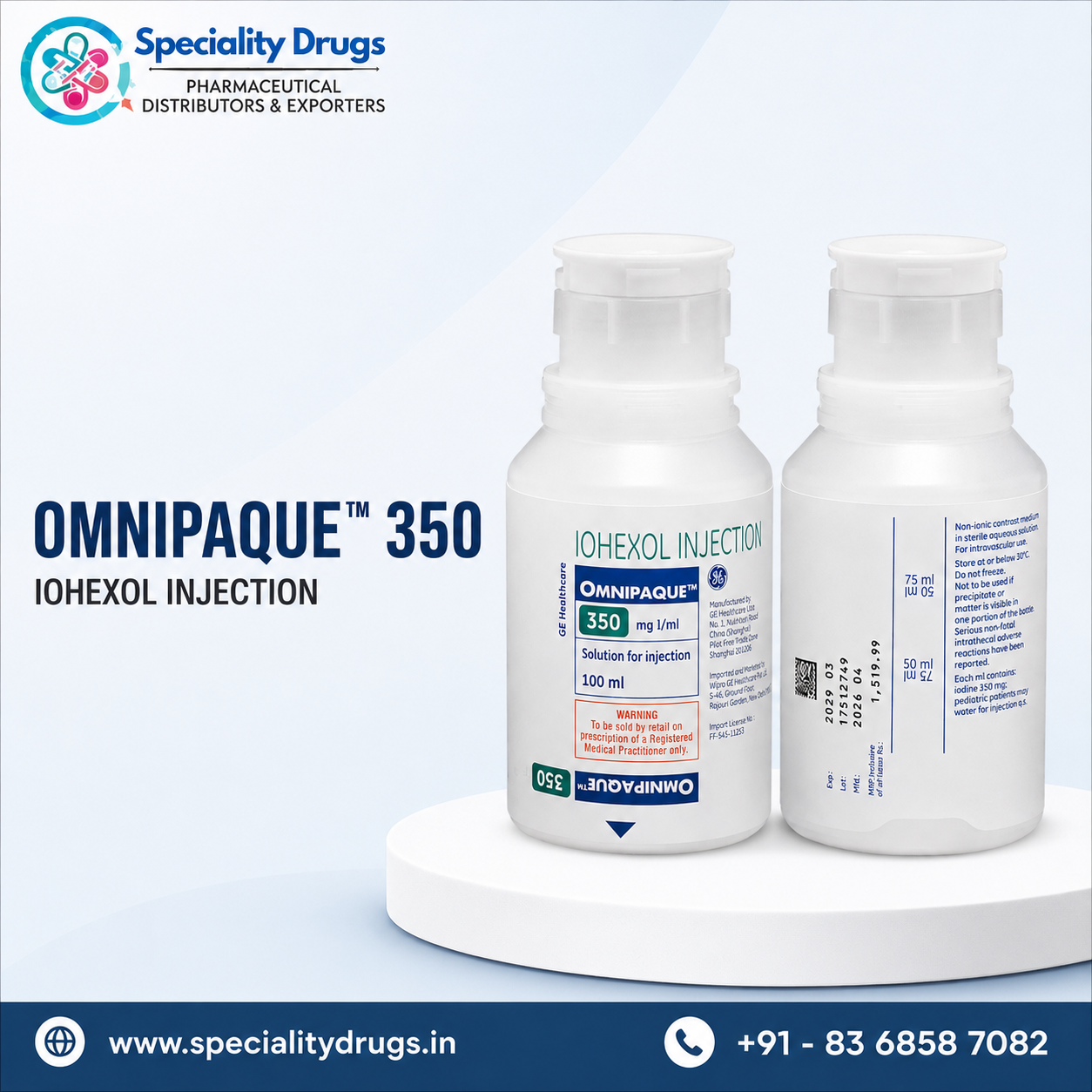
The bottle shown in the supplied image is labeled Omnipaque 350 mg I/mL, 100 mL. Product presentations can differ between countries and markets.
Omnipaque 350 mg/mL Side Effects
Like all medicines and medical products, Omnipaque may cause adverse reactions, although not everyone experiences them.
Common or Less Serious Reactions
Some people may experience temporary reactions associated with contrast administration, such as:
- Feeling warm or flushed
- Nausea
- Headache
- Dizziness
- Mild discomfort at the injection site
- Changes in taste
- Vomiting in some cases
Many reactions are temporary, but patients should tell the healthcare team about symptoms occurring during or after the imaging procedure.
Serious Reactions
Rare but potentially serious reactions can occur. These may include:
- Severe hypersensitivity or allergic-like reactions
- Breathing difficulties
- Significant changes in blood pressure
- Serious cardiovascular reactions
- Acute kidney injury
- Severe skin reactions
- Seizures in particular circumstances
- Problems related to accidental extravasation
The official prescribing information specifically warns about hypersensitivity reactions, acute kidney injury, cardiovascular reactions, extravasation, thyroid-related complications, and other potentially serious events.
Anyone experiencing a severe or rapidly worsening reaction after contrast administration should receive prompt medical evaluation.
Warnings and Precautions
Before receiving iohexol contrast, patients should tell their healthcare professional about their complete medical history.
Particular attention may be required in people with:
- Previous reactions to iodinated contrast media
- Kidney impairment or other renal concerns
- Significant cardiovascular disease
- Thyroid disorders
- Pheochromocytoma
- Sickle cell disease
- Conditions associated with increased seizure risk
- Relevant allergies
- Pregnancy or possible pregnancy
- Other significant medical conditions
The prescribing information also contains specific warnings concerning pediatric patients, renal impairment, cardiovascular risks, thyroid dysfunction, and severe hypersensitivity reactions.
Patients should provide an accurate medication and medical history before an imaging procedure so that the healthcare team can assess whether contrast administration is appropriate.
Drug Interactions
Iohexol may interact with certain medicines or medical situations. The prescribing information identifies clinically important considerations involving some medications and laboratory testing.
Before a contrast-enhanced examination, patients should inform their healthcare professional about:
- Prescription medicines
- Over-the-counter medicines
- Vitamins
- Herbal products
- Supplements
- Previous contrast reactions
- Relevant kidney, heart, or thyroid problems
The healthcare professional can determine whether additional precautions, laboratory testing, or changes to the imaging plan are necessary.
Pregnancy and Breastfeeding
If you are pregnant, think you may be pregnant, or are breastfeeding, inform your doctor or radiology team before the examination.
The decision to use iodinated contrast during pregnancy is made by healthcare professionals after considering the expected diagnostic benefit and potential risks. The official prescribing information contains specific information concerning pregnancy and lactation.
Storage Information
Storage requirements depend on the specific Omnipaque presentation and local product information. GE HealthCare’s product information states that Omnipaque products should generally be protected from light and stored according to the specified temperature conditions.
Healthcare facilities should follow the storage, handling, expiry, and disposal requirements stated on the product packaging and applicable prescribing information.
Patients should not attempt to store or handle injectable contrast media for personal use.
Omnipaque 350 mg/mL Manufacturer Information
Omnipaque is a branded iohexol contrast-media product from GE HealthCare. GE HealthCare lists Omnipaque within its contrast-media portfolio and provides prescribing information for the product. In India, GE HealthCare identifies Wipro GE HealthCare Pvt Ltd in connection with its India operations.
The exact manufacturer, importer, packer, and marketing authorization details may vary according to the country and individual product packaging. The label on the supplied product should therefore be checked for the applicable local information.
Frequently Asked Questions
1. What is Omnipaque 350 mg/mL used for?
Omnipaque 350 mg/mL contains iohexol, an iodinated radiographic contrast agent. It is used by healthcare professionals to enhance certain X-ray-based diagnostic imaging examinations. The specific indication depends on the imaging procedure, product concentration, and locally approved prescribing information.
2. What is the generic name of Omnipaque?
The generic name is iohexol. Iohexol is a non-ionic, water-soluble iodinated contrast medium. It works by increasing the visibility of structures on X-ray-based imaging, helping healthcare professionals obtain more informative diagnostic images.
3. Is Omnipaque a treatment for disease?
No. Omnipaque is primarily a diagnostic contrast agent rather than a treatment for an underlying disease. Its purpose is to improve the visibility of body structures during selected imaging procedures so that healthcare professionals can evaluate the patient’s condition more effectively.
4. What are the common Omnipaque side effects?
Possible reactions include temporary warmth or flushing, nausea, headache, dizziness, vomiting, or discomfort around the administration site. Not everyone experiences side effects. Any unusual, severe, or persistent reaction should be reported promptly to the healthcare team.
5. Can Omnipaque cause an allergic reaction?
Yes. Hypersensitivity or allergic-like reactions can occur after administration of iodinated contrast media. Some reactions may be serious. Patients should tell their healthcare professional if they have previously experienced a reaction to contrast media or have significant allergies.
6. Is Omnipaque safe for people with kidney problems?
Special consideration may be required for people with impaired kidney function because iodinated contrast media can be associated with acute kidney injury in susceptible patients. The medical team may assess renal function and other risk factors before deciding whether contrast administration is appropriate.
7. Can Omnipaque be used during pregnancy?
Pregnant patients should inform their doctor or radiology team before an examination. The healthcare professional will consider the clinical need for the imaging procedure and the relevant benefits and risks before deciding whether contrast should be used.
8. Who should be informed before receiving Omnipaque?
Patients should tell the healthcare team about previous contrast reactions, allergies, kidney disease, heart disease, thyroid conditions, pregnancy, breastfeeding, seizure-related conditions, and all medicines or supplements they take. Complete information helps healthcare professionals plan the examination safely.
9. Is Omnipaque 350 mg/mL the same as every other Omnipaque product?
No. Omnipaque is available in different iodine concentrations and presentations. Different concentrations are intended for particular procedures, and they should not be considered interchangeable. Healthcare professionals select the appropriate presentation according to the approved indication and imaging protocol.
10. Where should Omnipaque be stored?
Storage requirements depend on the particular presentation and local product labeling. It should be stored according to the manufacturer’s stated conditions and protected from inappropriate temperature, light, and handling. Expired or improperly stored injectable products should not be used.
Important Disclaimer
This information is provided for general educational purposes only and is not a substitute for professional medical advice, diagnosis, or treatment. Omnipaque (iohexol) is a prescription contrast agent intended for use by appropriately trained healthcare professionals in suitable clinical settings.
Do not self-administer, purchase for personal use, or change any medical instruction relating to this product without professional guidance. The appropriate product concentration and procedure depend on the individual patient and imaging examination.
Always consult a qualified doctor, radiologist, pharmacist, or other healthcare professional for advice specific to your situation. Product availability, approved indications, labeling, and prescribing information may differ between countries. Individual responses to contrast media can vary.
Reviews
There are no reviews yet.