
What is Ifosmet 1000?
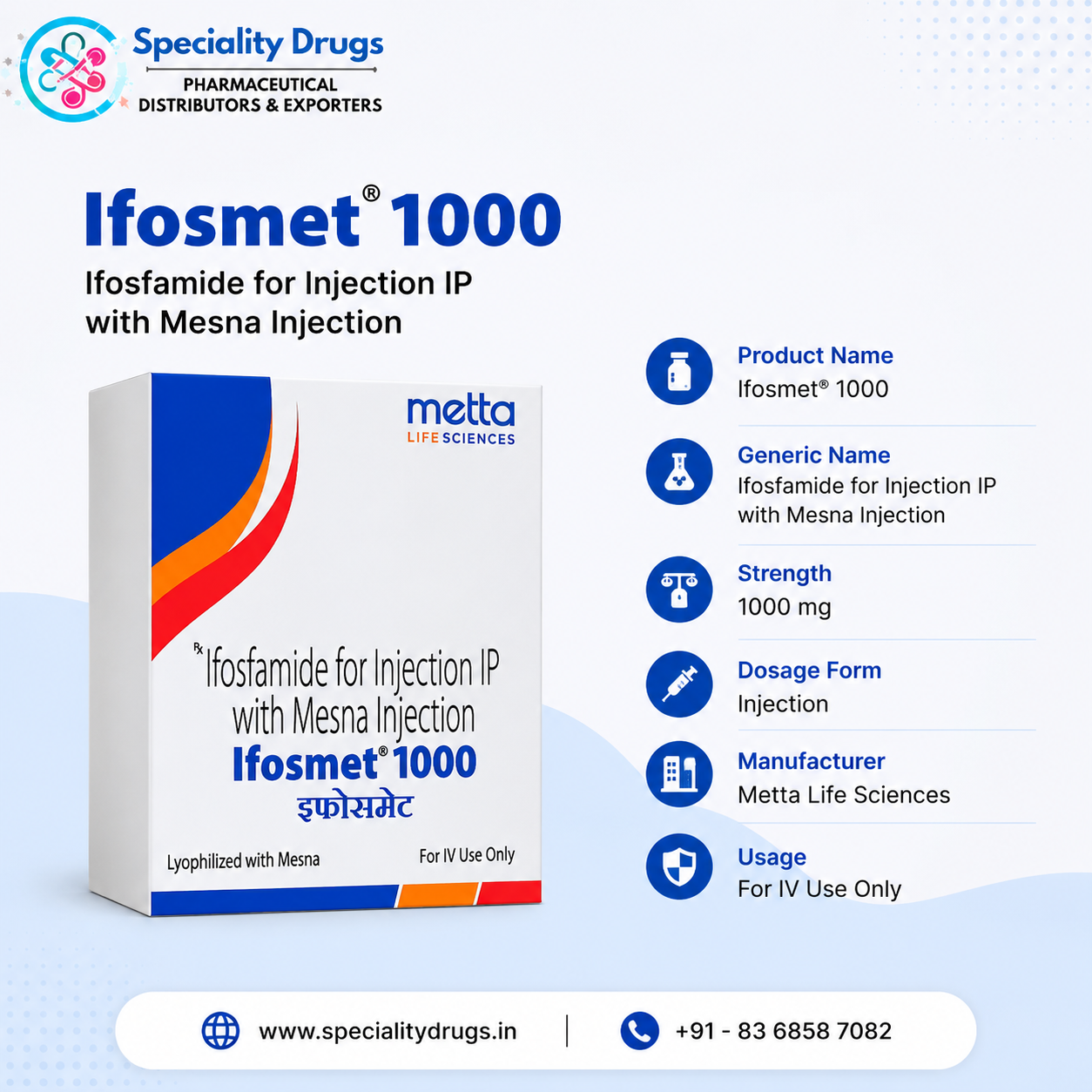
Ifosmet 1000 is an injectable chemotherapy medicine containing ifosfamide, an alkylating anticancer agent, along with mesna, a protective medicine used to reduce the risk of ifosfamide-related bladder toxicity. The product shown on the package is labelled for intravenous use and contains lyophilized medicine with mesna.
Ifosfamide belongs to a group of medicines known as alkylating agents. It works by interfering with the DNA of rapidly dividing cells. Cancer cells need to copy their DNA in order to grow and multiply. Ifosfamide forms chemical links within DNA, making it difficult for cancer cells to replicate and survive.
Mesna has a different role. Some metabolites produced when the body processes ifosfamide can irritate the urinary tract and may cause serious bladder inflammation or bleeding. Mesna helps protect the urinary system from this particular toxicity and is therefore used as part of supportive treatment with ifosfamide.
Ifosfamide is used as part of combination chemotherapy under specialist supervision. Its approved uses can vary by country and treatment protocol. For example, U.S. prescribing information describes its use with other anticancer medicines for certain germ-cell testicular cancers. Doctors may also use ifosfamide-containing chemotherapy protocols for other cancers according to established oncology protocols and local approvals.
Because Ifosmet 1000 is a cytotoxic chemotherapy injection, it should only be administered by appropriately trained healthcare professionals under the supervision of an oncologist or other qualified medical specialist.
Uses of Ifosmet 1000
Ifosmet 1000 contains ifosfamide, which may be included in chemotherapy regimens for selected cancers. The exact indication depends on the cancer type, treatment protocol, previous therapies, and the patient’s overall medical condition.
Potential clinical uses of ifosfamide-containing chemotherapy include:
- Treatment of selected malignant cancers as part of combination chemotherapy.
- Treatment of certain germ-cell cancers under appropriate oncology protocols.
- Treatment of some sarcomas and other malignancies in specific chemotherapy regimens.
- Use in specialist oncology protocols when the treating team determines that ifosfamide is appropriate.
- Supportive treatment with mesna to reduce the risk of ifosfamide-induced hemorrhagic cystitis.
The precise use of Ifosmet 1000 should always be determined by an oncology specialist. It is not a general-purpose medicine and should not be used for self-treatment.
Benefits of Ifosmet 1000
The potential benefits of Ifosmet 1000 are related to its role in medically supervised chemotherapy. Ifosfamide can contribute to cancer treatment by damaging DNA in susceptible cancer cells, while mesna provides protection against an important urinary-system toxicity associated with ifosfamide.
Potential clinical benefits include:
- Helps provide an established chemotherapy option for selected cancers.
- Can be incorporated into combination chemotherapy regimens.
- Targets rapidly dividing malignant cells through DNA damage.
- Mesna helps reduce the risk of ifosfamide-associated hemorrhagic cystitis.
- Can form part of individualized cancer-treatment plans developed by oncology specialists.
The response to chemotherapy differs between patients. Ifosmet 1000 should therefore not be described as guaranteeing a cure or a particular treatment outcome.
How Does Ifosmet 1000 Work?
The main anticancer ingredient, ifosfamide, is a prodrug. This means that it must be metabolized by the body before producing its active anticancer effects. Its active metabolites can interact with DNA and form cross-links that interfere with DNA replication. This makes it difficult for susceptible cancer cells to reproduce and survive.
Because many normal tissues also contain rapidly dividing cells, chemotherapy can affect healthy cells as well. This is one reason ifosfamide can cause adverse effects such as reduced blood-cell counts and gastrointestinal symptoms.
Mesna works differently. It is a cytoprotective agent used specifically to reduce the occurrence of ifosfamide-induced hemorrhagic cystitis. It helps protect the urinary tract from reactive metabolites responsible for this particular toxicity.
How is Ifosmet 1000 Given?
Ifosmet 1000 is labelled for IV use only and is not a medicine intended for administration by patients at home.
The treatment schedule and amount of ifosfamide used in chemotherapy are determined by the oncology team according to factors such as:
- Type and stage of cancer
- Overall treatment plan
- Previous chemotherapy
- Body size and organ function
- Blood-cell counts
- Kidney and liver function
- Previous or current treatment-related toxicities
Official prescribing information emphasizes that ifosfamide treatment requires appropriate hydration and administration of mesna to reduce bladder toxicity. Treatment also requires medical monitoring because serious adverse reactions can occur.
Patients should never attempt to calculate, prepare, dilute, or administer Ifosmet 1000 themselves.
Ifosmet 1000 Side Effects
Like other chemotherapy medicines, Ifosmet 1000 may cause side effects. The severity and likelihood can vary depending on the treatment regimen and individual patient factors.
Common or Frequently Reported Effects
Possible adverse effects associated with ifosfamide treatment may include:
- Nausea and vomiting
- Loss of appetite
- Tiredness or weakness
- Reduced blood-cell counts
- Hair loss
- Changes in blood chemistry
- Abdominal or gastrointestinal discomfort
The decrease in blood-cell production can increase the risk of infection, anemia, and bleeding. Regular laboratory testing is therefore an important part of treatment monitoring.
Serious Side Effects
Ifosfamide carries important warnings concerning:
- Severe myelosuppression, which can result in serious infections.
- Encephalopathy, a form of brain dysfunction that can cause significant neurological changes.
- Nephrotoxicity, meaning potentially serious kidney injury.
- Urotoxicity, including hemorrhagic cystitis or bleeding from the bladder.
These risks are specifically highlighted in current prescribing information for ifosfamide.
During treatment, symptoms such as confusion, unusual changes in mental status, severe weakness, signs of infection, significant urinary problems, or unusual bleeding should be reported to the treating healthcare team immediately.
Warnings and Precautions
Ifosmet 1000 requires careful medical assessment before and during treatment.
Kidney Function
Ifosfamide can cause kidney toxicity. Doctors may assess kidney function and other laboratory parameters before and during therapy. Patients with existing kidney problems may require particularly careful evaluation.
Blood Counts
Ifosfamide can suppress bone-marrow activity and reduce white blood cells, red blood cells, and platelets. Blood tests are therefore used to monitor treatment safety.
Urinary Tract
Ifosfamide can cause bladder toxicity. Mesna and appropriate hydration are important components of medical management intended to reduce this risk.
Pregnancy
Chemotherapy medicines such as ifosfamide can potentially harm an unborn baby. Patients who are pregnant, planning pregnancy, or who could become pregnant should discuss this with their oncology team before treatment.
Breastfeeding
Breastfeeding may not be appropriate during treatment with cytotoxic chemotherapy. A healthcare professional should provide individualized advice.
Liver and Other Medical Conditions
The treating doctor should know about existing kidney, liver, blood, neurological, or other significant medical conditions before chemotherapy begins.
Driving and Mental Alertness
Ifosfamide can cause neurological toxicity, including encephalopathy. Patients should follow their healthcare professional’s advice regarding driving or activities requiring alertness.
Drug Interactions
Ifosmet 1000 may interact with other medicines or treatments. The interaction profile can depend on the complete chemotherapy regimen and the patient’s medical history.
Before receiving treatment, patients should tell their healthcare provider about:
- Prescription medicines
- Over-the-counter medicines
- Vitamins and nutritional products
- Herbal or traditional medicines
- Other cancer treatments
- Previous chemotherapy or radiation therapy
Some medicines can affect liver enzymes involved in drug metabolism or increase the risk of toxicity. The oncology team should review the complete medication list before treatment.
Storage Instructions
Ifosmet 1000 is a professional-use injectable medicine and should be stored and handled according to the manufacturer’s approved product information and healthcare-facility procedures.
General principles include:
- Keep the unopened product in its original packaging.
- Protect it from inappropriate heat, moisture, and direct exposure to light when required by the product instructions.
- Keep medicines away from children and unauthorized persons.
- Do not use a product after its expiry date.
- Prepared chemotherapy solutions must be handled and stored according to the applicable professional preparation instructions.
Because cytotoxic medicines require special handling, healthcare facilities should follow appropriate procedures for preparation, administration, spill management, and disposal.
Ifosmet 1000 Manufacturer
The package shown identifies Metta Life Sciences as the manufacturer. Product packaging, labeling, formulation details, and regulatory information should always be checked against the actual pack supplied by the manufacturer.
Important Disclaimer
This information about Ifosmet 1000, ifosfamide, and mesna is provided for educational purposes only. It is not a substitute for professional medical advice, diagnosis, or treatment.
Ifosmet 1000 is a prescription chemotherapy injection and should only be used when prescribed and administered under the supervision of a qualified oncology professional. Do not self-administer this medicine, change a chemotherapy regimen, or make treatment decisions based solely on information found online.
Individual treatment response and the risk of adverse effects vary between patients. The treating healthcare professional should determine whether this medicine is appropriate based on the patient’s diagnosis, treatment history, laboratory results, organ function, and overall health.
Frequently Asked Questions
1. What is Ifosmet 1000 used for?
Ifosmet 1000 contains ifosfamide, an alkylating chemotherapy medicine. It is used as part of selected cancer-treatment regimens, usually in combination with other medicines. The exact indication depends on the cancer and the oncology protocol being followed.
2. What is the role of mesna in Ifosmet 1000?
Mesna is included to help protect the urinary tract from ifosfamide-related toxicity. It reduces the risk of hemorrhagic cystitis, a potentially serious complication associated with ifosfamide treatment.
3. Is Ifosmet 1000 safe?
Ifosfamide can be an important chemotherapy medicine when appropriately selected and monitored, but it can also cause serious toxicity. Blood counts, kidney function, neurological status, and other parameters may require monitoring during treatment.
4. Is Ifosmet 1000 a tablet?
No. The product shown is a lyophilized injectable formulation intended for intravenous use. It must be prepared and administered by qualified healthcare professionals.
5. What are the important Ifosmet 1000 side effects?
Important adverse effects can include reduced blood-cell counts, kidney toxicity, urinary toxicity, and neurological toxicity such as encephalopathy. Nausea, vomiting, tiredness, appetite changes, and hair loss may also occur.
6. Why is hydration important with ifosfamide?
Hydration is part of medical management intended to reduce urinary toxicity associated with ifosfamide. Official prescribing information specifically recommends extensive hydration along with mesna during treatment.
7. Can Ifosmet 1000 be given at home?
It should not be self-administered. Ifosmet 1000 is an IV cytotoxic chemotherapy medicine requiring professional preparation, administration, monitoring, and appropriate handling.
8. Can Ifosmet 1000 affect the kidneys?
Yes. Kidney toxicity is an important warning associated with ifosfamide. The healthcare team may monitor kidney function and other laboratory parameters before and during treatment.
9. Can Ifosmet 1000 affect the brain or nervous system?
Yes. Ifosfamide can cause encephalopathy and other neurological effects. Changes in mental status, confusion, or unusual neurological symptoms should be promptly reported to the treating healthcare team.
10. Who should decide the Ifosmet 1000 treatment schedule?
An oncologist or qualified healthcare professional should determine the treatment schedule. Chemotherapy regimens are individualized according to cancer type, treatment protocol, previous therapy, laboratory results, organ function, and other clinical factors.
Conclusion
Ifosmet 1000 is an intravenous chemotherapy product containing ifosfamide with mesna, manufactured by Metta Life Sciences according to the packaging shown. Ifosfamide works by interfering with DNA replication in susceptible cancer cells, while mesna helps reduce the risk of ifosfamide-induced hemorrhagic cystitis.
Because ifosfamide can cause serious blood, kidney, urinary, and neurological toxicities, its use requires specialist supervision and appropriate monitoring. Patients should rely on their oncology team for treatment decisions and should not attempt to administer or modify chemotherapy independently.
Reviews
There are no reviews yet.