
Methergin 0.125 mg Tablets: Uses, Benefits, Side Effects, Precautions and FAQs
What is Methergin 0.125 mg?
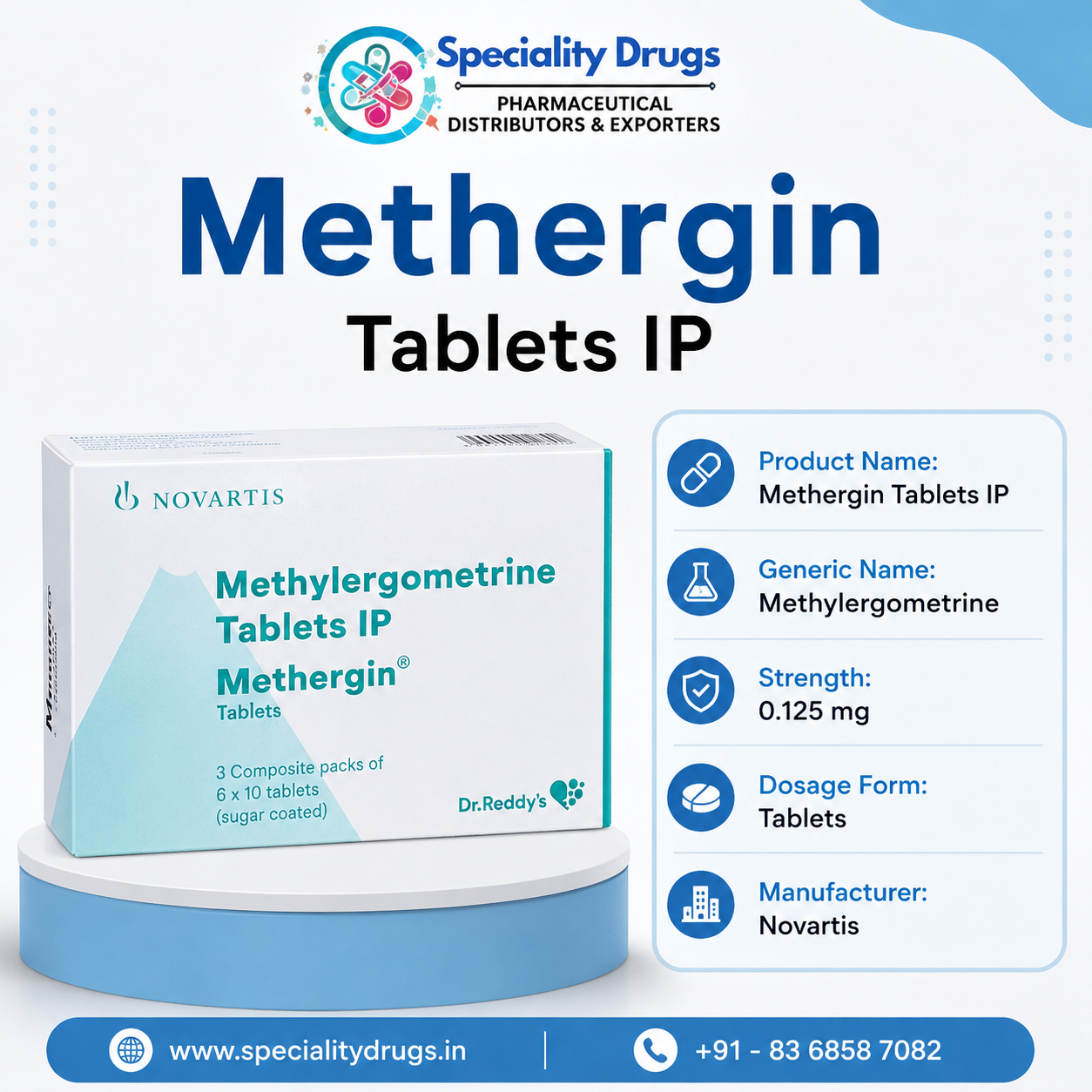
Methergin 0.125 mg Tablet is a prescription uterotonic medicine containing methylergometrine (also known as methylergonovine/ergometrine-related terminology). The product shown is a tablet formulation associated with Novartis, and available Indian medicine records identify the strength as 0.125 mg.
Methylergometrine belongs to the group of medicines known as ergot alkaloids and has a strong effect on the smooth muscle of the uterus. Its main medical role is related to controlling uterine bleeding after childbirth. Official prescribing information describes methylergonovine as a uterotonic medicine used following delivery of the placenta for management of uterine atony, postpartum hemorrhage and uterine subinvolution.
After childbirth, the uterus normally contracts to help compress blood vessels at the site where the placenta was attached. If the uterus does not contract adequately, excessive bleeding can occur. Methylergometrine increases uterine contraction and helps the uterus regain appropriate tone.
Because this medicine can significantly affect uterine contractions and blood vessels, it is not intended for casual or self-directed use. It should be used only when prescribed or administered under appropriate medical supervision.
Uses of Methergin 0.125 mg
Methergin is primarily associated with obstetric care. Its medically recognized uses include:
- Management of uterine atony after childbirth
- Prevention or control of postpartum uterine bleeding
- Management of certain cases of postpartum hemorrhage
- Support of uterine involution, meaning the return of the uterus toward its pre-pregnancy size after delivery
- Management of uterine hemorrhage in specific obstetric circumstances under professional supervision
The exact reason for prescribing this medicine depends on the patient’s clinical condition, blood pressure, delivery history and other medical factors.
This medicine should only be taken or administered under the supervision of a qualified healthcare professional.
Benefits of Methergin 0.125 mg
The principal clinical benefit of methylergometrine comes from its ability to increase uterine muscle contraction.
Potential therapeutic benefits include:
- Helps improve uterine tone after childbirth
- Supports control of excessive uterine bleeding
- Helps the uterus contract following delivery
- Supports normal uterine involution
- Can be an important component of medical management when postpartum bleeding is associated with inadequate uterine contraction
Methergin should not be considered a general treatment for every type of vaginal or uterine bleeding. Postpartum bleeding can have several causes, and medical professionals need to determine the underlying reason before selecting appropriate treatment.
How Does Methergin Work?
Methergin contains methylergometrine, an ergot alkaloid with uterotonic activity. In simple terms, it causes the muscles of the uterus to contract more strongly.
Following delivery, contraction of the uterus helps compress blood vessels that previously supplied the placenta. This natural process contributes to reducing blood loss. When uterine contraction is inadequate, a condition known as uterine atony can contribute to postpartum hemorrhage.
Methylergometrine helps increase uterine muscle tone and contraction. However, it also has effects on blood vessels and can cause vasoconstriction. This vascular effect is one reason why blood pressure and cardiovascular risk are important considerations when this medicine is used. Official labeling specifically identifies hypertension as a contraindication and warns about potentially serious cardiovascular and cerebrovascular effects.
How to Take Methergin 0.125 mg
Methergin is a prescription medicine and should be used exactly according to the instructions of the treating healthcare professional.
Important general precautions include:
- Do not take it without appropriate medical advice.
- Do not change the prescribed amount or frequency yourself.
- Do not take extra medicine if you believe the previous dose was ineffective.
- Tell your doctor about all medicines and supplements you use.
- If you miss a prescribed dose, ask your healthcare professional what you should do rather than taking extra medicine on your own.
Because the appropriate regimen depends on the clinical situation, a general internet description should not be used to determine an individual’s Methergin dosage.
Methergin Side Effects
Like all medicines, Methergin may cause side effects, although not everyone experiences them.
Common or Reported Side Effects
Reported reactions associated with methylergometrine/methylergonovine include:
- Headache
- Nausea
- Vomiting
- Abdominal discomfort or pain associated with uterine contractions
- Dizziness
- Increased blood pressure
- Changes in heart rate
Hypertension is particularly important because methylergometrine can cause vasoconstriction.
Serious Side Effects
Serious reactions are uncommon but may require urgent medical attention. These can include:
- Severe elevation of blood pressure
- Chest pain
- Significant breathing difficulty
- Severe headache or neurological symptoms
- Cardiovascular complications
- Cerebrovascular complications
- Severe allergic reactions
- Significant vasospasm
Official prescribing information warns that methylergometrine can produce serious hypertensive and vascular complications in susceptible patients.
If severe or unusual symptoms occur, prompt medical evaluation is important.
Warnings and Precautions
Methergin requires particular caution because of its effects on the uterus and blood vessels.
High Blood Pressure
Hypertension is a contraindication for methylergometrine according to official labeling. Patients should tell their healthcare professional if they have high blood pressure or a history of pregnancy-related hypertension.
Heart and Blood Vessel Conditions
People with coronary artery disease or cardiovascular risk factors may be more susceptible to vascular complications associated with methylergometrine.
Liver and Kidney Problems
Caution is recommended in patients with impaired liver or kidney function.
Pregnancy
Methylergometrine is contraindicated during pregnancy because of its uterotonic effects. It should not be used as a self-treatment during pregnancy.
Breastfeeding
Official product information contains specific restrictions concerning breastfeeding during treatment because methylergometrine may produce adverse effects in a breastfeeding infant. A healthcare professional should provide individualized guidance about breastfeeding and when it is appropriate to resume.
Allergies
Anyone with a known hypersensitivity to methylergometrine or related ingredients should inform the healthcare professional before treatment.
Drug Interactions
Methylergometrine can interact with certain medicines. Patients should provide their doctor or pharmacist with a complete list of:
- Prescription medicines
- Over-the-counter medicines
- Herbal products
- Vitamins and supplements
- Medicines used for heart or blood-pressure conditions
Particular caution is required with strong or moderate CYP3A4 inhibitors, certain macrolide antibiotics, some antifungal medicines and certain antiviral medicines. Other vasoconstrictors, ergot alkaloids and prostaglandins may also require careful consideration.
Do not start or stop another medicine specifically to accommodate Methergin without professional advice.
Storage Instructions
Store Methergin according to the storage instructions printed on the product packaging or provided by the pharmacist.
General medicine-storage precautions include:
- Keep the tablets in their original packaging.
- Protect them from excessive heat and moisture.
- Keep medicines away from children.
- Do not use tablets after their expiry date.
- Do not use tablets if the packaging is damaged or the medicine appears abnormal.
The manufacturer’s package instructions should take priority over generic storage advice.
Methergin 0.125 mg Manufacturer
The product shown is Methergin 0.125 mg Tablets, associated with Novartis. Indian government records list Methergin 0.125 mg tablets under Novartis India Ltd.
Because pharmaceutical brands and manufacturing arrangements can change between markets and over time, the actual manufacturer, marketer and batch information should always be verified from the current pack.
Methergin 0.125 mg Price
The price of a medicine can vary depending on the market, pack size, applicable regulations, manufacturer/marketer, and date of sale. Therefore, an online description should not be treated as a definitive current price reference.
For a current price, patients should check the actual packaging, licensed pharmacy information, or their healthcare provider/pharmacist.
Frequently Asked Questions
1. What is Methergin 0.125 mg used for?
Methergin contains methylergometrine and is primarily used in obstetric care to help manage uterine atony and postpartum uterine bleeding. Official labeling describes its use after delivery of the placenta for conditions including postpartum hemorrhage and uterine subinvolution.
2. How does Methergin work?
Methylergometrine increases the strength and tone of uterine contractions. After childbirth, stronger uterine contraction can help compress blood vessels at the placental attachment site and support control of bleeding.
3. Is Methergin safe?
Methergin can be appropriate when prescribed for a suitable medical indication, but it is not suitable for everyone. High blood pressure, pregnancy, cardiovascular conditions and certain drug interactions are important safety considerations.
4. Can Methergin be used during pregnancy?
No. Methylergometrine is contraindicated during pregnancy because it stimulates uterine contractions. It should not be used during pregnancy unless a qualified healthcare professional specifically determines otherwise under an appropriate medical circumstance.
5. What are the common Methergin side effects?
Reported effects include nausea, vomiting, abdominal pain associated with uterine contractions, headache, dizziness and elevated blood pressure. The severity and likelihood can vary between individuals.
6. Can people with high blood pressure take Methergin?
High blood pressure is specifically listed as a contraindication in official labeling. Anyone with hypertension should inform the healthcare professional before treatment so that a safer treatment decision can be made.
7. Can Methergin interact with other medicines?
Yes. Methylergometrine can interact with certain medicines, including some CYP3A4 inhibitors and other drugs affecting blood-vessel tone. A complete medication list should be provided to the prescribing healthcare professional.
8. Can Methergin be used while breastfeeding?
Specific breastfeeding restrictions apply to methylergometrine because of the potential for adverse effects in a breastfed infant. Patients should follow the instructions of their obstetrician or other qualified healthcare professional regarding breastfeeding during treatment.
9. Can Methergin be stopped or changed without medical advice?
Patients should not independently change, extend or discontinue a prescription regimen. The appropriate duration and treatment plan depend on the medical reason for treatment and the individual’s clinical condition.
10. How should Methergin be stored?
Keep the medicine in its original packaging and follow the storage conditions printed on the pack. Protect it from inappropriate heat, moisture and direct exposure, and keep it out of children’s reach.
Disclaimer
This information is provided for general educational purposes only and is not a substitute for professional medical advice, diagnosis or treatment. Methergin is a prescription medicine with important contraindications and potential adverse effects. Do not self-medicate or use information from this article to determine an individual dosage or treatment plan.
Always follow the prescription and instructions provided by a qualified healthcare professional. Individual responses to medicines can vary, and the suitability of methylergometrine depends on the patient’s medical history, blood pressure, cardiovascular status, pregnancy/postpartum status and other medicines being used.



Reviews
There are no reviews yet.