
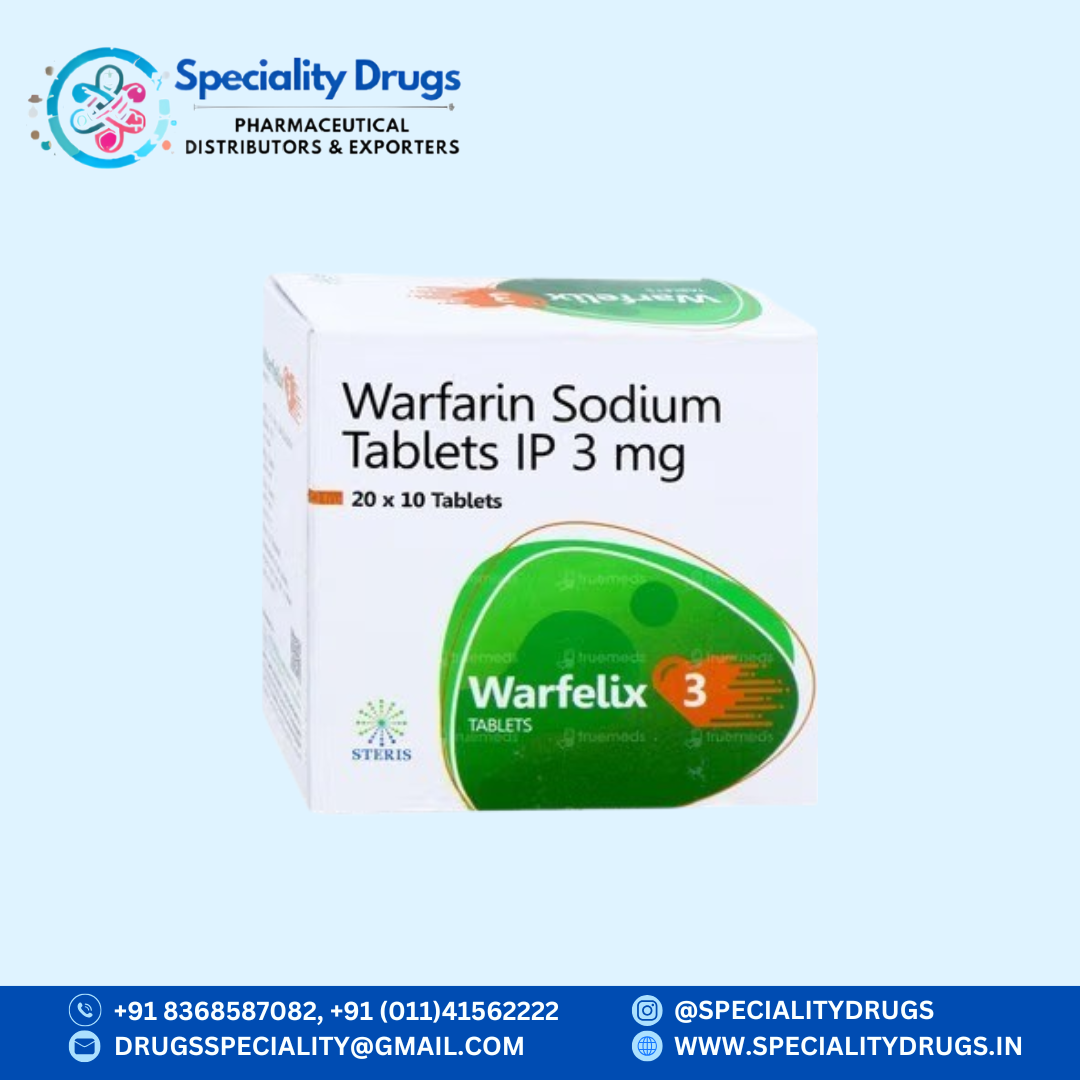
What is Warfelix?
Warfelix is an oral anticoagulant medication containing Warfarin, used to prevent and treat blood clots. It works by reducing the blood’s ability to clot, helping lower the risk of serious complications such as stroke, heart attack, and pulmonary embolism.
What is the Use of Warfelix?
Warfelix is prescribed for:
-
Prevention and treatment of deep vein thrombosis (DVT)
-
Treatment of pulmonary embolism (PE)
-
Reducing the risk of stroke in patients with atrial fibrillation
-
Preventing blood clots in patients with artificial heart valves
-
Managing conditions associated with abnormal blood clotting
Benefits of Warfelix
-
Helps prevent harmful blood clots
-
Reduces the risk of stroke and heart-related complications
-
Improves blood circulation
-
Suitable for long-term anticoagulation therapy under monitoring
-
Effective in patients with heart valve disorders and clotting risks
Side Effects of Warfelix
Common side effects may include:
-
Easy bruising
-
Nosebleeds
-
Bleeding gums
-
Nausea
-
Hair thinning
Serious side effects (seek immediate medical attention):
-
Unusual or prolonged bleeding
-
Blood in urine or stools
-
Severe headache or dizziness
-
Vomiting blood or coughing up blood
How to Take Warfelix
-
Take Warfelix exactly as prescribed by your doctor
-
Regular blood tests (INR) are required to monitor dosage
-
Avoid sudden changes in diet, especially foods rich in vitamin K
-
Do not stop the medicine without medical advice
DISCLAIMER
This information is for educational purposes only. Warfelix should be taken strictly under the supervision of a qualified healthcare professional. Dosage adjustments and regular monitoring are essential to ensure safety and effectiveness.
Frequently Asked Question:
1. What is Warfelix used for?
Warfelix is used to prevent and treat blood clots, reducing the risk of stroke, deep vein thrombosis, and pulmonary embolism.
2. How does Warfelix work?
Warfelix works by blocking vitamin K–dependent clotting factors, helping prevent the formation of dangerous blood clots.
3. Is Warfelix safe for long-term use?
Yes, Warfelix can be used long term when prescribed by a doctor and monitored regularly with INR blood tests.
4. What precautions should be taken while using Warfelix?
Patients should avoid sudden diet changes, limit alcohol intake, and inform doctors about all medications being taken.
5. Does Warfelix require regular blood tests?
Yes, regular INR testing is essential to ensure the correct dosage and reduce the risk of bleeding complications.
6. Can Warfelix interact with other medicines?
Warfelix may interact with antibiotics, pain relievers, herbal supplements, and other medications, so medical advice is necessary.
7. What foods should be avoided while taking Warfelix?
Foods high in vitamin K, such as spinach and kale, should be consumed consistently and not suddenly increased or decreased.
8. Can Warfelix be taken during pregnancy?
No, Warfelix is generally not recommended during pregnancy due to potential risks to the unborn baby.
9. What are the common side effects of Warfelix?
Common side effects include bruising, bleeding gums, nausea, and nosebleeds. Severe bleeding requires immediate medical attention.
10. When should a doctor be consulted while taking Warfelix?
Consult a doctor immediately if there is unusual bleeding, severe headache, dizziness, or blood in urine or stools.

Reviews
There are no reviews yet.